Roof Cleaning Myths Richmond Homeowners Should Stop Believing
Dark roof streaks, patches of moss, and clogged valleys can leave Richmond homeowners wondering whether they need cleaning, repairs, or a replacement. Unfortunately, common advice about roof maintenance often mixes useful guidance with expensive misconceptions.
Richmond, Virginia’s humid summers, frequent rainfall, and tree-covered neighborhoods create favorable conditions for roof staining and biological growth. But the right response depends on your roofing material, its condition, and what is actually growing on it. Before scheduling roof cleaning, it helps to separate appearance issues from maintenance concerns—and understand which cleaning methods can do more harm than good.
Myth 1: Dark Roof Streaks Are Just Dirt
On asphalt shingles, dark streaks often come from cyanobacteria commonly called blue-green algae, including Gloeocapsa magma. These organisms can spread across roof surfaces, particularly where moisture lingers. Airborne dirt, soot, and organic debris can also contribute to discoloration, so appearance alone does not establish the cause.
Algae staining is often primarily a cosmetic concern. Moss is different: it forms thicker growth that holds moisture and can lift shingle edges. Lichen attaches firmly to surfaces and can be difficult to remove without disturbing protective granules.
The practical takeaway: Identify the growth before choosing a treatment. A cleaning estimate should explain whether the roof has algae, moss, lichen, ordinary debris, or signs of deterioration. Not every dark area needs the same solution.
Myth 2: Roof Stains Mean You Need a New Roof
A stained roof is not automatically a failed roof. Structurally sound shingles can develop extensive discoloration while still performing their weather-shedding function. Cleaning may improve their appearance without requiring replacement.
However, cleaning cannot reverse aging, restore missing granules, repair failed flashing, or fix water-damaged decking. Warning signs such as recurring leaks, widespread cracking, missing shingles, or pronounced curling call for a roofing assessment rather than a cleaning-only appointment.
If you notice ceiling stains or an active leak, address the water intrusion first. Ask a qualified roofer to evaluate questionable areas before cleaning. Roof cleaning is maintenance, not a substitute for repairs or replacement.
Myth 3: High-Pressure Washing Is the Best Way to Clean Any Roof
Pressure washing can be useful on suitable exterior surfaces, but a roof is not a concrete driveway. High-pressure spray can dislodge asphalt-shingle granules, damage shingle edges, and force water beneath roofing materials. Many asphalt-shingle manufacturers specifically advise against pressure washing.
The terms pressure washing and power washing are sometimes used interchangeably in advertising. Technically, power washing often refers to equipment that uses heated water. Neither high pressure nor heat automatically makes a method appropriate for roofing.
For many asphalt roofs, manufacturer-approved chemical treatment applied at low pressure is the appropriate approach. Other materials—including metal, slate, tile, and wood—have different requirements. Coatings, fasteners, sealants, and existing damage also affect the choice.
Ask the contractor to describe the actual application method rather than relying on a service label. A company may advertise pressure washing while using a separate, roof-appropriate process for shingles.
Myth 4: “Soft Washing” Means There Is No Risk
Soft washing generally uses low-pressure application and cleaning chemistry rather than forceful blasting. That can make it suitable for certain roofs, but the term itself is not a guarantee of safe work.
The cleaning product, dilution, contact time, application technique, and runoff controls all matter. Excessive concentrations or poor handling can damage landscaping, discolor adjacent materials, or affect sensitive metals and finishes. Walking on a roof can also break fragile materials or damage aging shingles.
A responsible contractor follows the roofing manufacturer’s guidance and the cleaning product’s label. The plan should include protecting nearby plants, managing runoff, checking vulnerable areas, and minimizing unnecessary foot traffic. Low pressure reduces one category of risk; it does not eliminate the need for skill.
Myth 5: Household Bleach Is Either Always Safe or Always Forbidden
Both statements oversimplify the issue. Some asphalt-shingle manufacturers and industry guidance permit sodium-hypochlorite-based cleaning solutions under specified conditions. That does not mean any household bleach mixture is suitable for every roof.
Roofing materials, nearby finishes, vegetation, and drainage arrangements influence what is appropriate. A cleaner approved for one surface may be unsuitable for another. Similarly, a product marketed as “natural” or “eco-friendly” is not automatically harmless or effective.
Never mix bleach with acids, ammonia, or other cleaning products. Dangerous gases can result. Homeowners should avoid improvising chemical recipes, especially when working from ladders or near occupied outdoor areas. Ask what product will be used, whether it is appropriate for your roof, and how the crew will protect surrounding property.
Myth 6: Every Roof Should Look Perfect Immediately After Cleaning
Some algae staining responds quickly to appropriate treatment, but moss and lichen may not disappear immediately. Depending on the roofing material and approved process, treated growth may loosen and weather away gradually.
Aggressive brushing, scraping, or blasting to create an instant result can damage shingles. Firmly attached lichen is particularly challenging because physical removal can pull away granules.
Before work begins, ask which marks should improve immediately, what may remain temporarily, and when a follow-up assessment makes sense. Persistent discoloration may also reflect weathering, rust, or material damage rather than living growth. No reputable cleaning service should promise to make every aging roof look new.
Myth 7: Richmond Roofs Need Cleaning on a Fixed Annual Schedule
There is no single cleaning interval that fits every Richmond property. A shaded roof beneath mature trees may stay damp longer than a roof receiving strong sunlight and good airflow. Roof pitch, material, nearby vegetation, and previous growth also influence maintenance needs.
Richmond’s spring pollen can leave a visible film, but pollen alone does not necessarily justify a full chemical roof treatment. Likewise, a neighbor’s cleaning schedule does not establish what your home needs.
Inspect from the ground at least periodically and after significant storms. Look for accumulated leaves, blocked drainage, new moss, and damaged roofing. Base cleaning decisions on actual conditions and manufacturer recommendations—not an automatic yearly appointment. Avoiding unnecessary treatment can reduce expense and unnecessary chemical use.
Myth 8: Roof Cleaning Is an Easy Weekend DIY Job
The biggest concern is not simply choosing a cleaner. Roof access creates serious fall risks, and wet roofing can become extremely slippery. Moss, algae, cleaning solutions, steep slopes, and unexpected weak spots make the work more hazardous.
Using a ladder to reach the gutter does not mean it is safe to step onto the roof. Pressure-washer kickback, overhead electrical lines, and carrying equipment add further risks.
Homeowners can still take useful steps from safe ground-level positions. Photograph visible changes, note where debris collects, and check for interior evidence of leaks. For work requiring https://gregorytdut439.valiantfield.com/posts/driveway-cleaning-secrets-every-richmond-homeowner-needs roof access, choose a contractor with appropriate training, fall-protection practices, and insurance that covers the work being performed.
Myth 9: Rain Will Handle Roof Maintenance
Rain can wash away some loose dirt, but it does not reliably remove established algae, moss, or compacted debris. Leaves and twigs can collect in valleys, behind chimneys, and around roof features, where they slow drainage and retain moisture.
Gutters and downspouts matter, too. A clean roof surface does not solve an overflowing gutter or blocked downspout. In Richmond neighborhoods with mature trees, leaf fall and small branches can create recurring drainage problems.
Keep maintenance focused on water movement. Have debris removed safely, maintain gutters, and ask an arborist about branches that contact the roof or drop excessive material onto it. Avoid major pruning without professional advice, and do not assume more sun alone will eliminate biological growth.
Myth 10: Exterior Cleaning Services All Use the Same Process
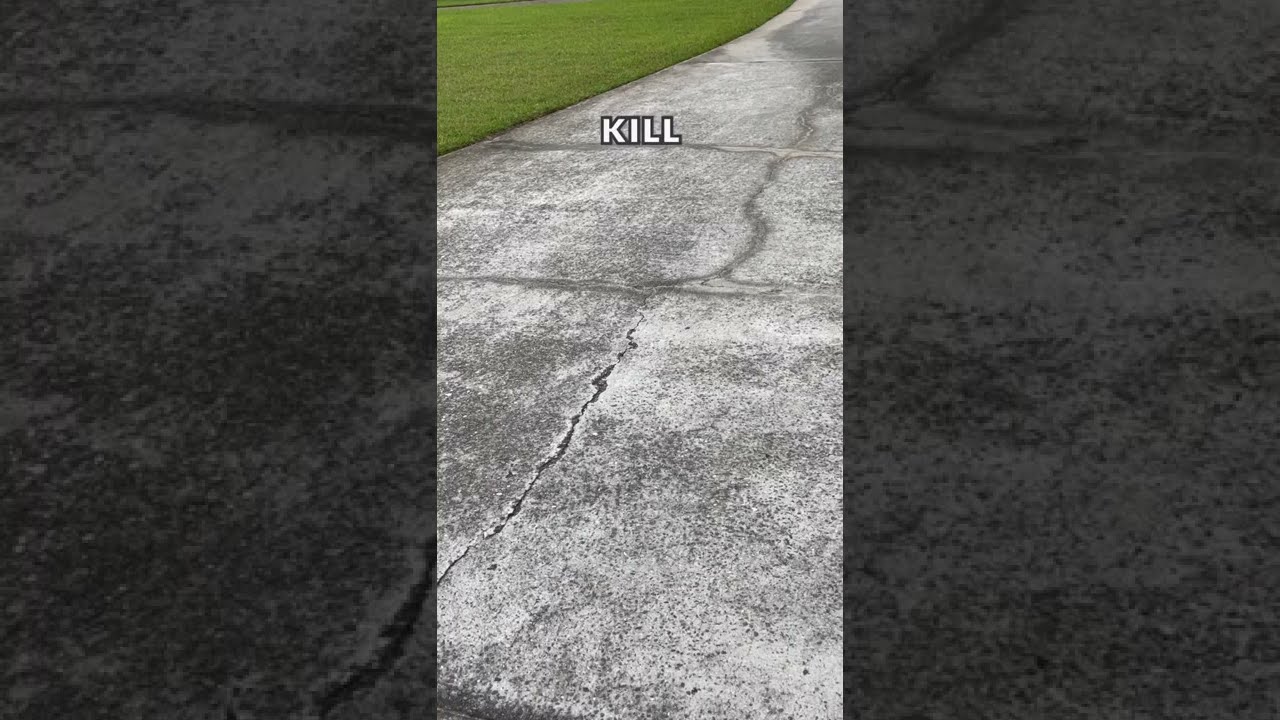
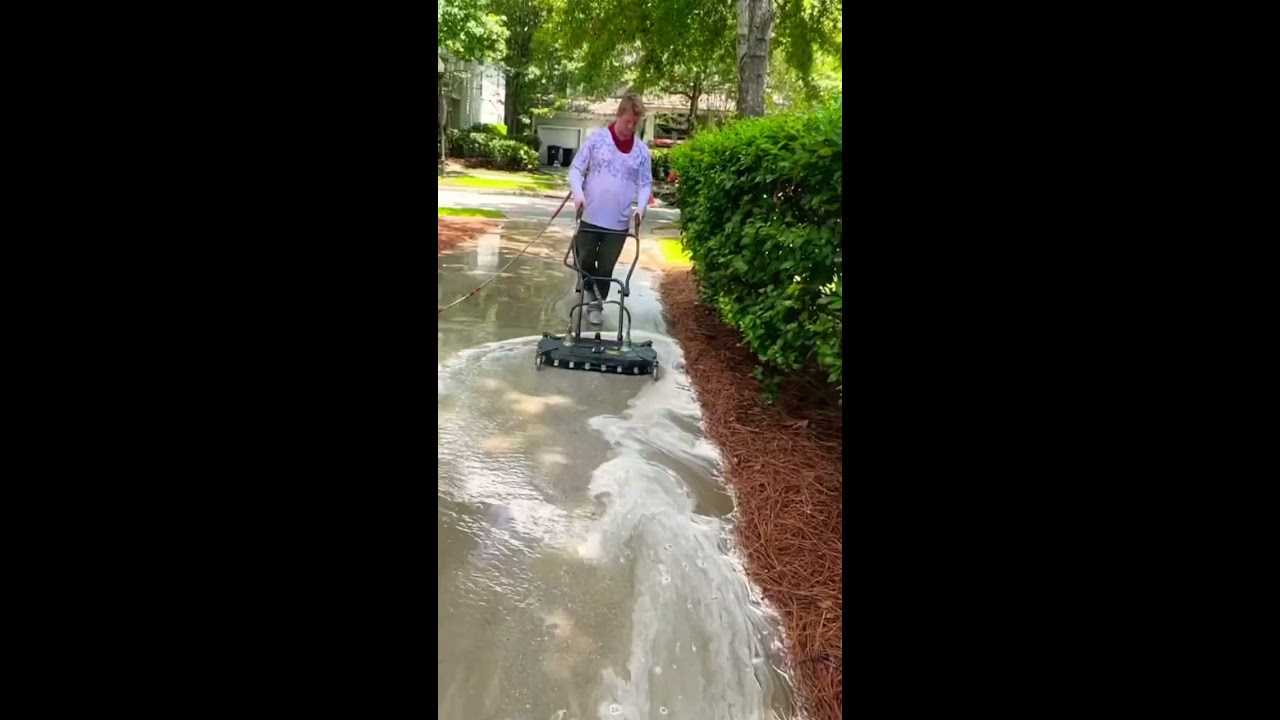
Roof cleaning, house washing, and driveway cleaning require different methods. Concrete may tolerate equipment and cleaning approaches that can damage shingles, painted siding, wood, or roofing accessories. Even concrete needs assessment because age, condition, coatings, and surface defects affect how it should be cleaned.
Bundling exterior services can be convenient, but each surface needs its own plan. Ask how the crew adjusts its process for your roof, siding, walkways, and driveway. A professional should explain these differences clearly rather than promise to “blast everything clean.”
It is also worth coordinating the sequence of work. Roof runoff can affect siding and lower surfaces, so the contractor should plan the project to avoid unnecessary re-cleaning and protect areas already completed.
Myth 11: Cleaning Runoff Is Harmless Once It Reaches the Gutter
Gutters move water away from the roof; they do not neutralize cleaning chemicals. Downspouts may discharge beside landscaping, into a rain barrel, or toward a drainage system. In Richmond, protecting local waterways means paying attention to where wash water travels.
Do not assume storm drains lead to wastewater treatment. Cleaning runoff should be managed according to the products used and applicable local requirements. Requirements can differ between the City of Richmond and surrounding jurisdictions, so a contractor should verify what applies to your address.
Tell the crew about rain barrels, ponds, vegetable gardens, pets, and sensitive plants before work begins. Ask how these features will be protected and how runoff will be controlled. Avoid unsupported promises such as “completely chemical-free” or “safe for everything.” Specific precautions are more useful than broad marketing claims.
How to Choose a Richmond Roof Cleaning Contractor
A good estimate explains the proposed work and its limitations. Before booking, ask these questions:
- Is my roof suitable for cleaning? Ask whether deterioration or needed repairs should be evaluated first.
- Does the method follow my roofing manufacturer’s guidance? Confirm the proposed products and application approach.
- How will you protect the property? Discuss landscaping, gutters, metals, siding, and runoff.
- What insurance applies? Request current documentation and confirm coverage for the planned roof work.
- What results should I expect? Clarify remaining stains, gradual moss release, and follow-up procedures.
- What does the quote include? Get the scope, exclusions, price, and any guarantee in writing.
If someone claims cleaning will add a guaranteed number of years to your roof’s life, ask for the basis of that claim. Appropriate maintenance can address growth and debris, but a roof’s remaining service life depends on many factors beyond cleanliness.
Make Roof Care About Protection, Not Just Appearance
The best approach to roof cleaning in Richmond starts with understanding the roof you have. Identify the staining or growth, check for damage, and choose a material-appropriate method that follows manufacturer guidance.
A cleaner roof can improve curb appeal, but the more important goal is maintaining sound roofing and reliable drainage without causing avoidable damage. When you replace common myths with a clear inspection and maintenance plan, it becomes easier to decide when cleaning is worthwhile—and when a roofer should take a closer look.
Richmond Pressure Cleaning
Unit 2/420 Church St, Richmond VIC 3121
ph. (03) 4231 7213